Museums
Objects in the round, and in the room
Embed twins on collection pages and gallery touchscreens, and let visitors place an object at true scale with AR.
Place-in-space AR →Film an object for about three minutes on a phone. Around an hour later it is a photoreal 3D twin, reconstructed with UG3D® Gaussian splatting, that anyone can turn, zoom into and place in their own room.
Reconstructed, not generated · Place-in-space AR · 4-17MB per twin
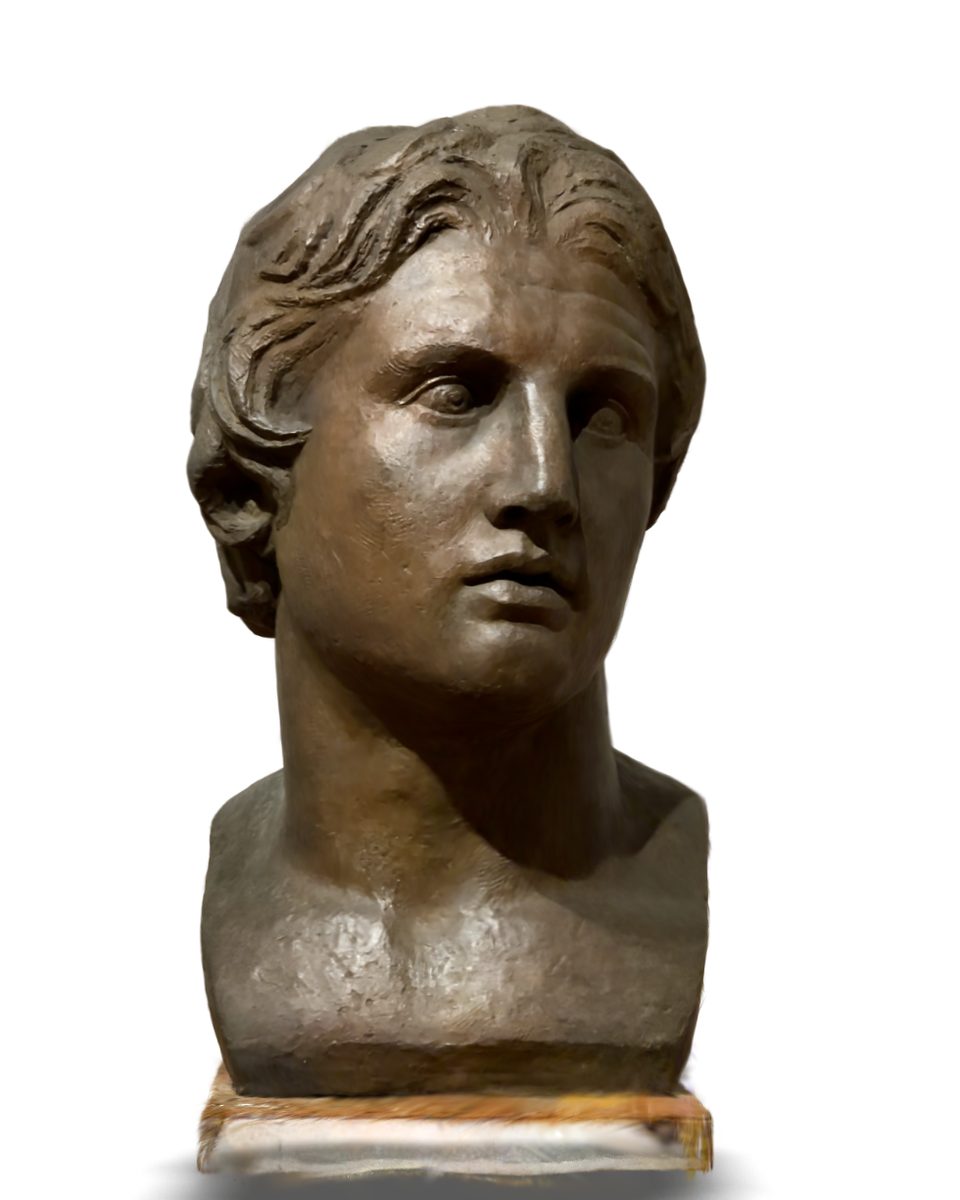
Patinated bronze bust · UHD · Drag to rotate
Curators, archivists and digital teams use Voxelo to put objects online in the round, and to do it at collection scale rather than one showpiece at a time.
Embed twins on collection pages and gallery touchscreens, and let visitors place an object at true scale with AR.
Place-in-space AR →Weave, wear, repairs and patina, held as they are today and exportable as PLY or SOG, without handling the original again.
3DGS hosting and export →Bindings, boxes and the objects that sit beside the books, turned and zoomed from anywhere while the originals stay put.
How it works →Share three-dimensional work with lenders, buyers and press as a link that opens in 3D, or in their own room.
See the examples →Capture for coursework, research and archive projects, with suggested metadata alongside every twin.
Metadata and JSON-LD →Collections, object data, an API and terms for programmes at scale. Museums, universities and archives can ask about academic and collection-scale terms.
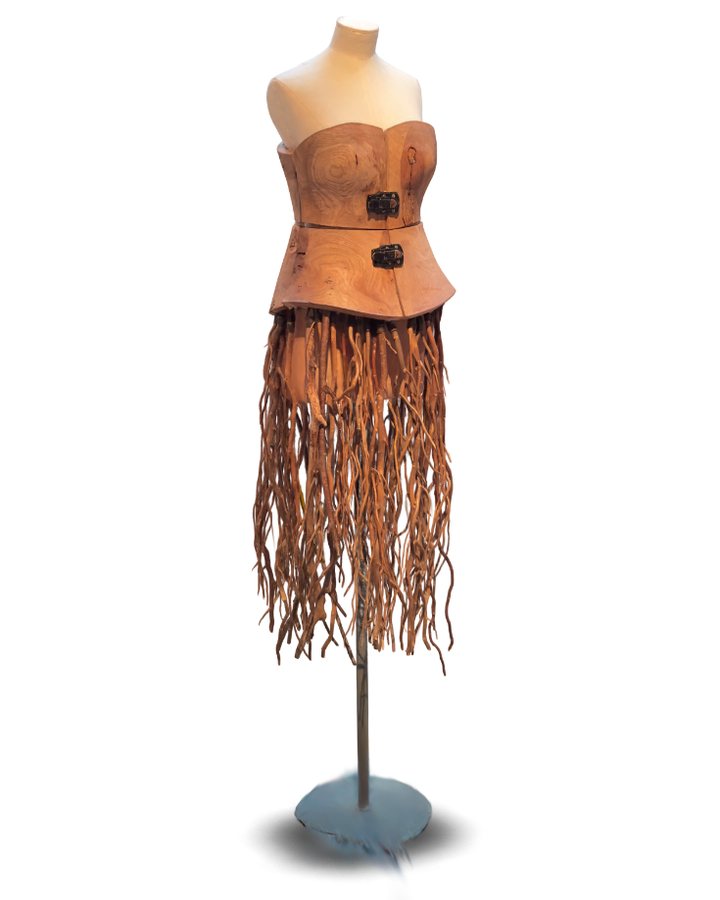
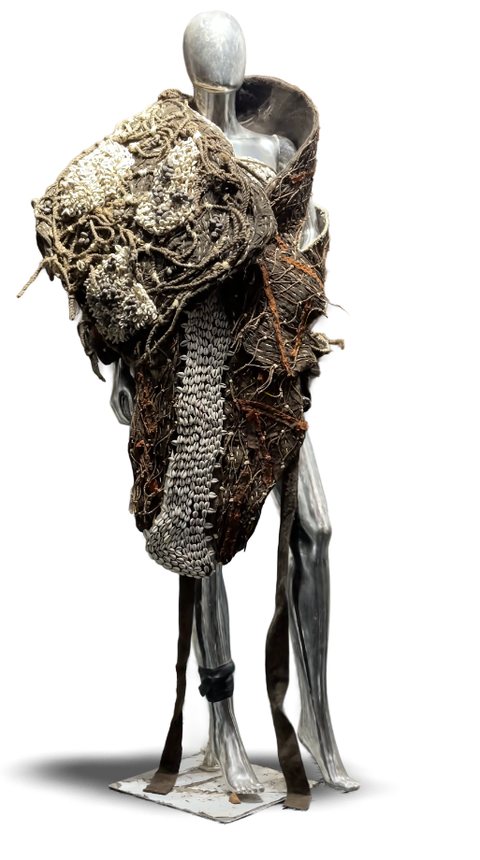
Plans & pricing →IGC Fashion is a creative social enterprise in Kampala. Its pieces use Lubugo, barkcloth from the inner bark of the Mutuba tree, harvested without harming the tree, and they walked at Manchester Fashion Week 2026. Each was filmed on a phone in the studio and came back as a photoreal twin in around an hour.
“Voxelo is state of the art new software for 3D imaging. Working from Uganda, it has been game changing for our audience / customers digital experience of our clothing. It will undoubtedly support our growth and sales online. We are so grateful to the team behind this product. So helpful and communicative and supportive!”
 Nattie KazaIGC Fashion · Google review, November 2026
01 · The captureAbout three minutes, in the studio
02 · The 3D twinThe same piece, around an hour later
Real objects, reconstructed from video. Tap any piece to load its live twin: nothing loads until you ask, so the page stays fast.
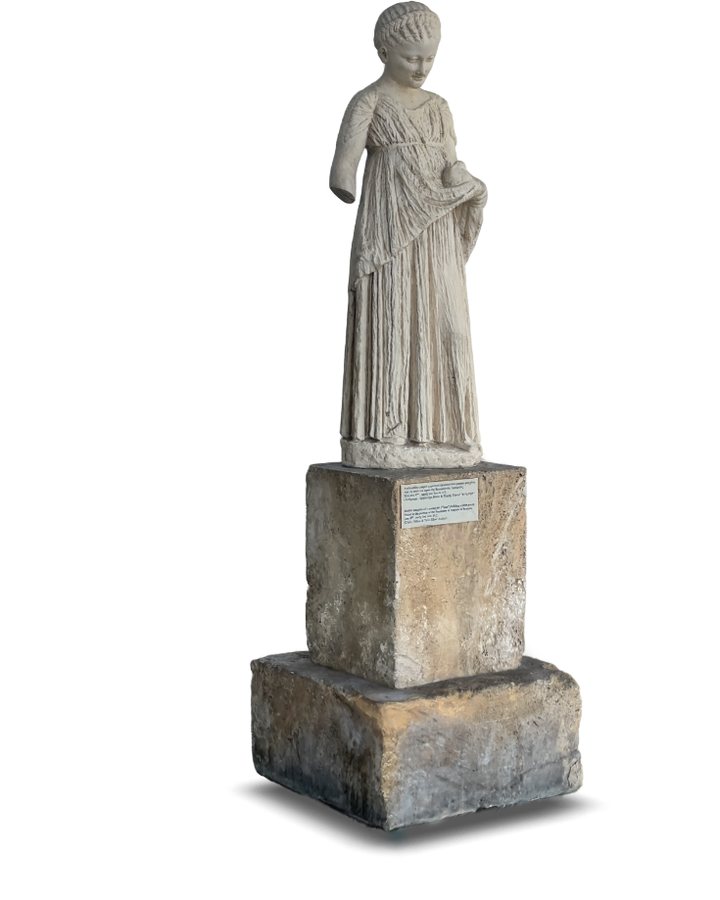
Carved stone on a stone plinth · UHD
Virgil Abloh, 2020 · Annotated · UHD
Gilded relief and crackle glaze · UHD
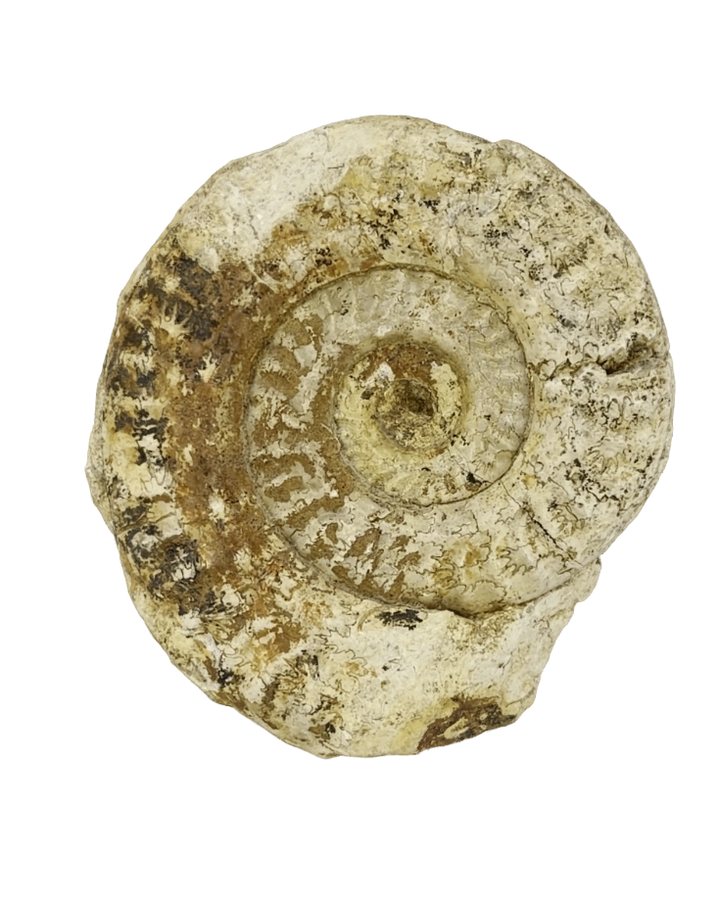
Fossil · Lightbox capture · HD
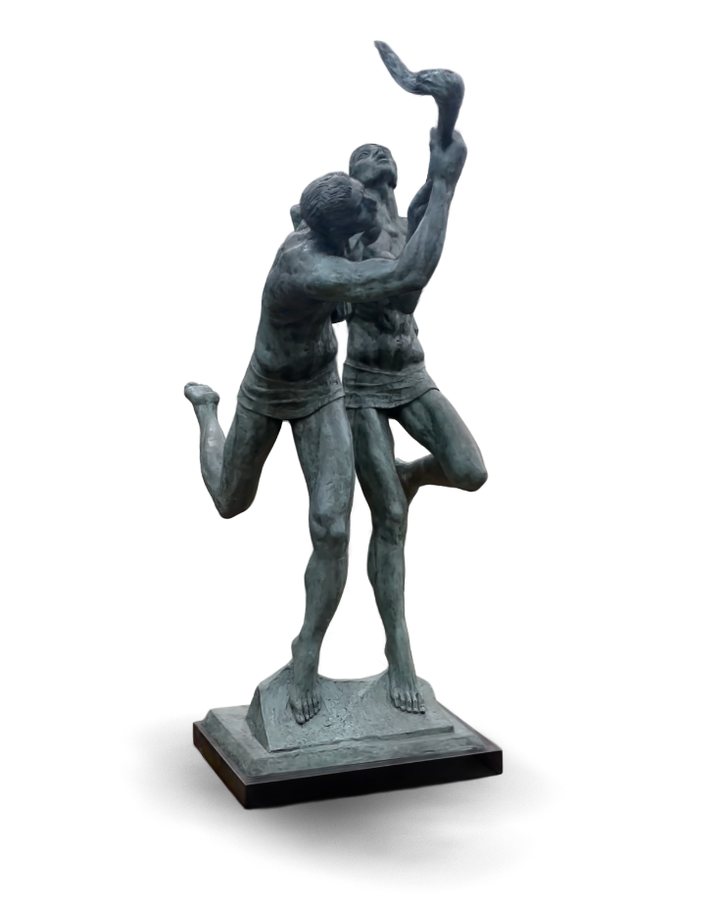
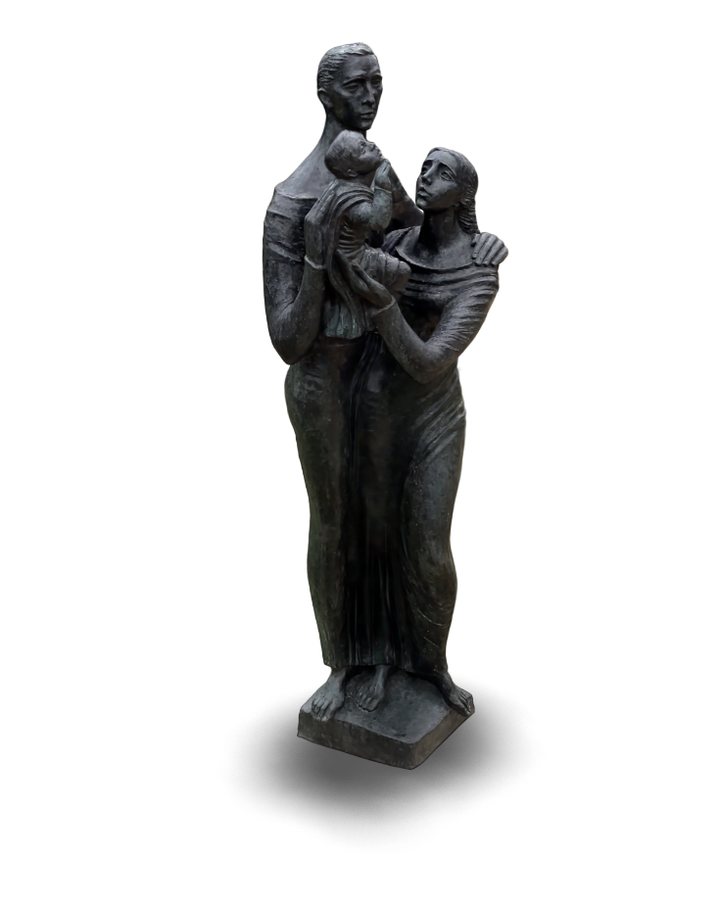
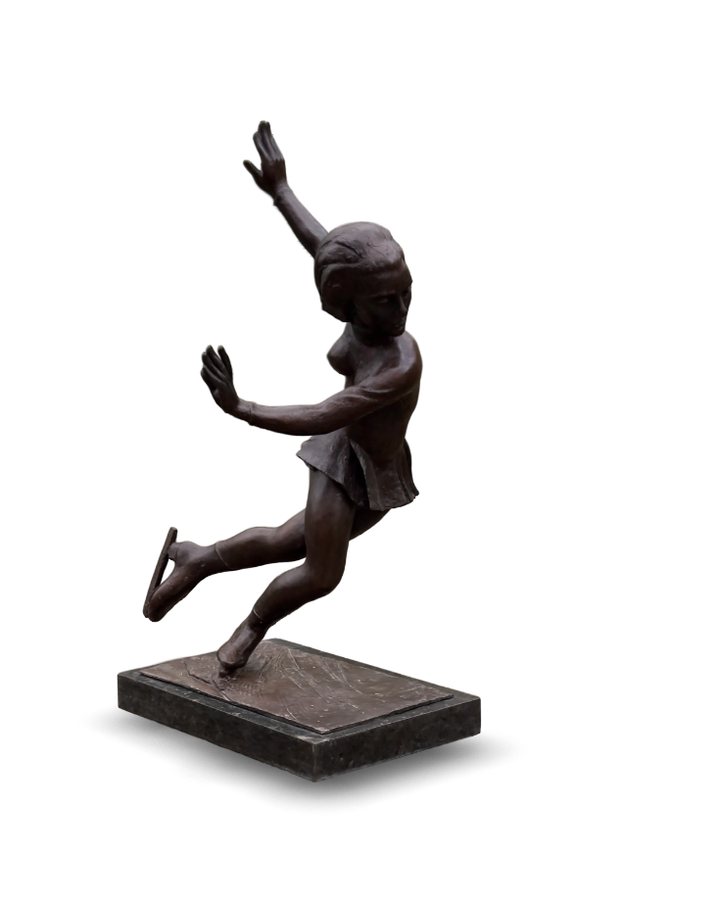
Cast bronze on granite · UHD
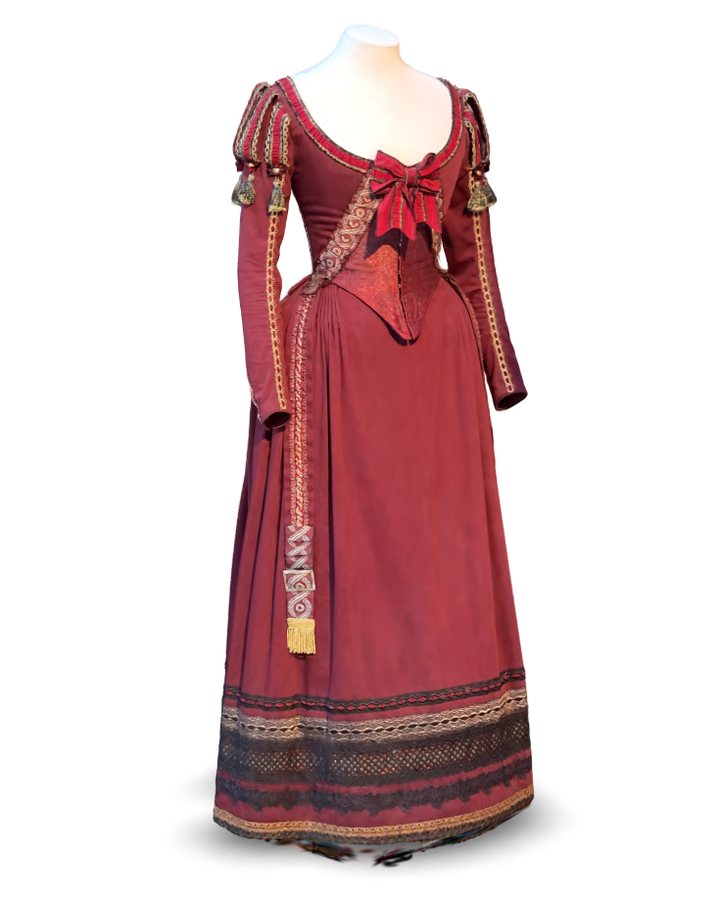
Embroidery, lace and tassels · UHD
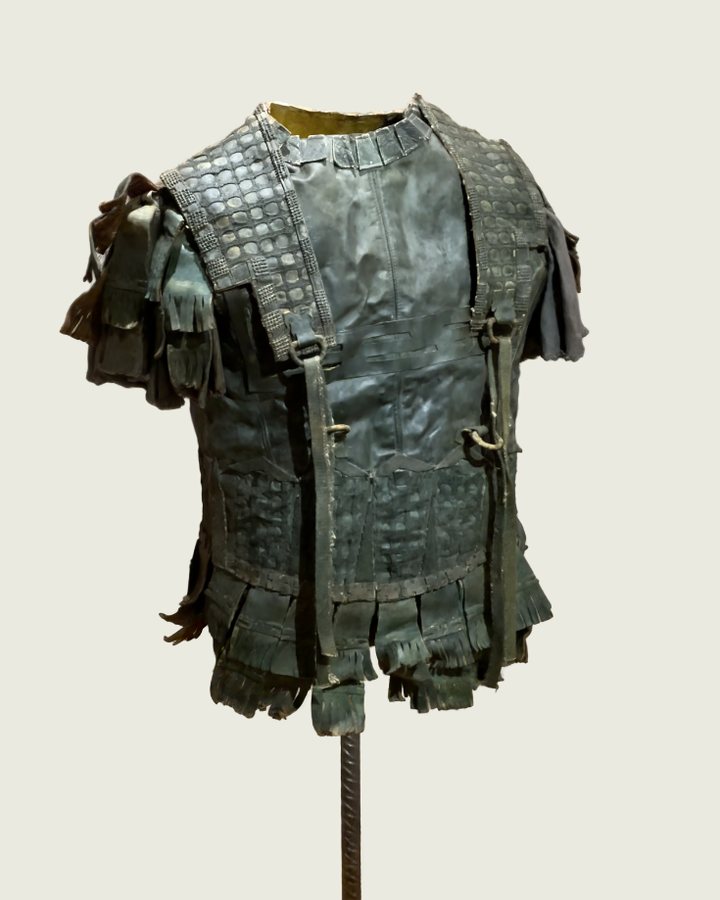
Layered leather panels · UHD
Patinated bronze on stone · UHD
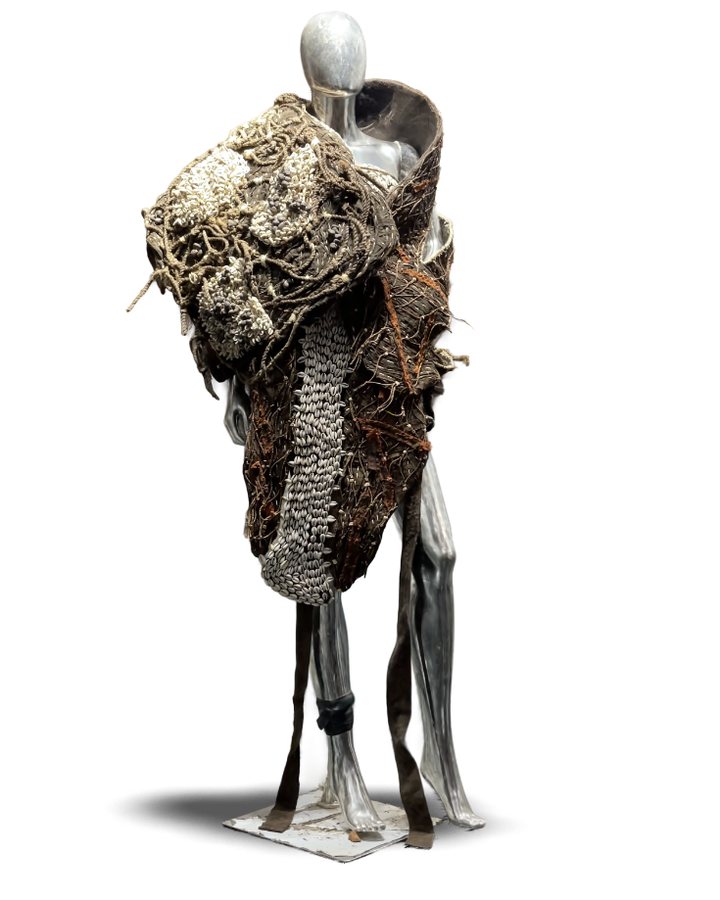
IGC Fashion · Fibre and shell · UHD
Lightbox capture · HD
Patinated bronze · UHD
IGC Fashion · Carved wood and roots · UHD
Every piece above was captured from video and reconstructed with UG3D®
Browse the full gallery →Every twin is reconstructed from video of the actual object, not imagined by an AI model. What people turn on screen is the surface that sat in front of the camera, including the details meshes tend to break on.
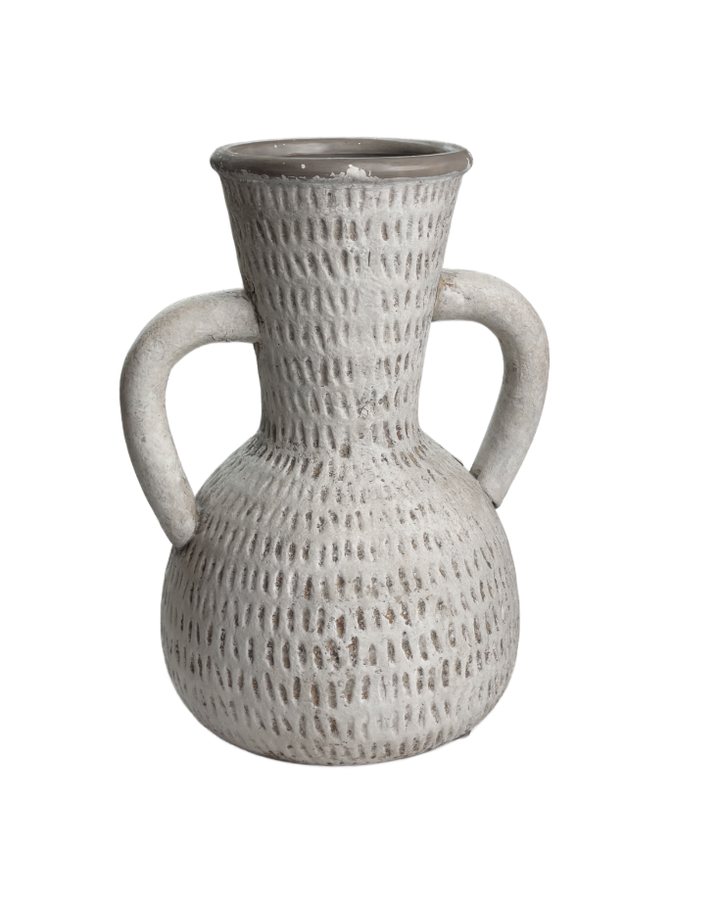
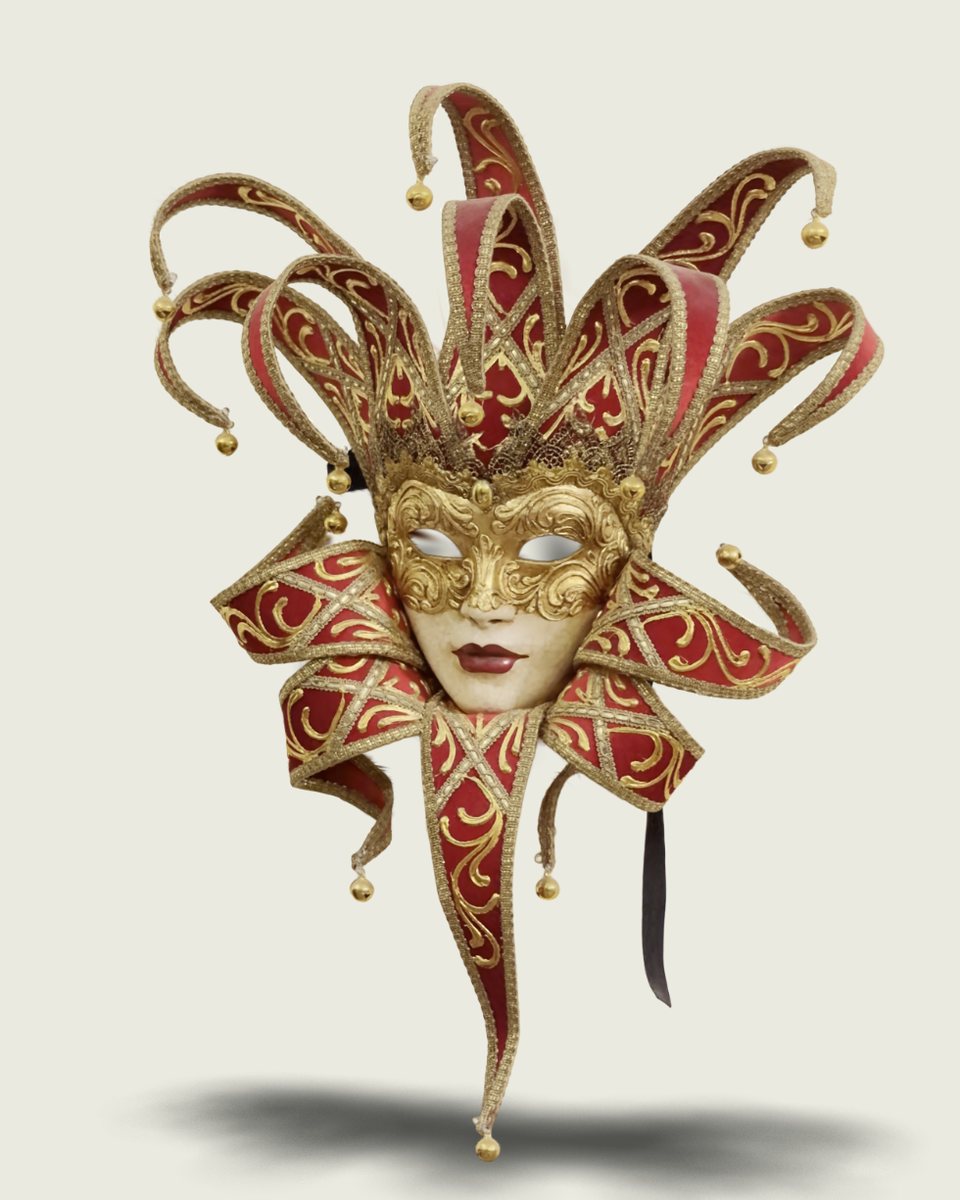 Gilded relief · Crackle glaze
Hands-on time is 6-10 minutes per object, including set-up, with around three minutes of filming. Pick the method that suits the object, not the other way round.
The object stays where it is, on its plinth, mannequin or stand. Walk slowly round it in loops at different heights.
Phone · Optional studio lights · About 4m² of space
The object turns, the phone stays put. Ideal for garments on a mannequin or stand.
Phone · Turntable · Mannequin or stand · Optional lights · About 4m²
Even, controlled light for ceramics, fossils and carved pieces, on a turntable inside the box.
Phone or DSLR, ideally 4K · Lightbox · Turntable
A 2020 Virgil Abloh design for Off-White, captured from a three-minute phone video as part of archive research with Professor Charlene Gallery and Dr Courtney Chrimes at The University of Manchester.
Hotspots pin notes to the garment itself, so the twin doubles as an object tour that a student, a researcher or a visitor can open anywhere.
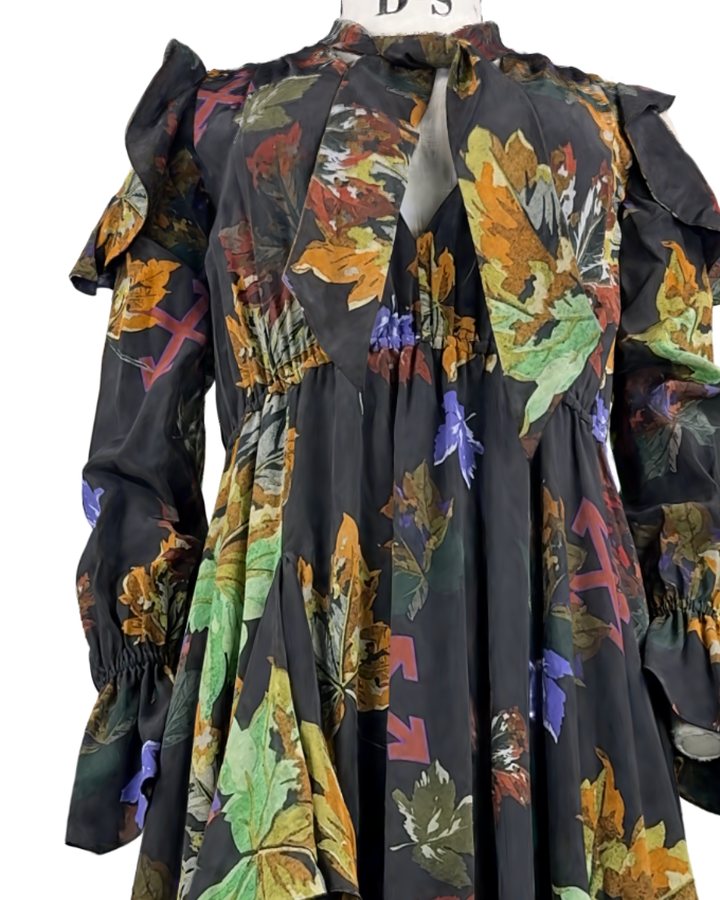
Off-White · Virgil Abloh, 2020 · Tap a hotspot

On the Living Archives project
Voxelo’s capture of an archival Off-White dress for our UKRI-funded Living Archives project demonstrated how 3D Gaussian splatting can offer cultural institutions, galleries and independent fashion businesses an accessible way into high-fidelity 3D capture.What excited us most about this technology is that it provides a way to preserve the rich visual identity of collections for future generations and to tell the stories behind individual garments, from the provenance of the materials to how they were made, and most importantly to the cultural moments they were part of.
 Professor Charlene GalleryProfessor of Digital Fashion Innovation, The University of Manchester
Voxelo’s technology opens up exciting possibilities for how we digitally archive and experience fashion. Rather than simply viewing a garment, we can now access the story behind it in seconds, connecting the designer’s vision with material provenance, construction and craftsmanship.The potential to make these stories more immediate, interactive and accessible could completely reshape how fashion archives are experienced
 Dr Courtney ChrimesLecturer in Digital Fashion Marketing, The University of Manchester
When the twin is captured from a simple video, access and discovery can scale with the collection.
Drop a twin into a collections page, a CMS or a learning platform with one snippet. Fast on any connection.
Embed builder →Visitors open the object at true scale in their own room. Free on every twin, with nothing to install.
Place-in-space AR →Pin notes, details and stories to the object itself, and step people through them in order.
Annotated 3D →The same hosted viewer runs on in-gallery touchscreens and digital displays, from one link.
The viewer and hosting →See which objects people open, and how they explore them, to understand interest across a collection.
What's in Voxelo 3.0 →Descriptive metadata suggested from the capture, for cataloguing and discovery, reviewed by your curators.
Metadata for AI and agents →Voxelo reads the twin and suggests descriptive metadata for curators to review: materials, construction, styling and details. It is available through the API and as JSON-LD, so people, search engines and AI agents can find and understand each object. The beta is open for testing.
Suggested from the Head of Alexander the Great twin, at the top of this page
Metadata for AI and agents →Host up to 100 Gaussian splats free, made in any pipeline, each with a browser viewer, a share link and place-in-space AR. Export PLY or SOG whenever you want them, or publish to SuperSplat.
Self-serve plans start with a free account, with API access from Basic upwards. For programmes at collection scale, ask us about academic and collection-scale terms.
“Local to our team, we've worked with Voxelo as a creative tech partner over the past 2 years. Using their platform to deliver 3D digital twins for our own clients via the web. Ben, Vlad and Roman are quick, clear and easy to work with, and the system itself has genuinely sped up our production. What used to be a slow, fiddly process now turns around fast and looks slick. Would recommend them to any studio doing similar work.”
 James AscroftSairo · Heritage creative tech agency · Google review, August 2026
Bring splats made anywhere. A viewer, a share link and AR on every one.
Native to every twin, free, with nothing for visitors to install.
What a good capture looks like, and how a short video becomes a twin.
Attributes captured from the real object, published as JSON-LD.
Snippets for collection pages, CMSs and learning platforms.
API, collections and terms for programmes in the thousands.